Todos los casos

El futuro de la cadena de suministro

Agribusiness · 2026

El reto

In a context shaped by climate risks, technological acceleration, workforce transformation, and economic volatility, traditional planning approaches for Manufacturing Supply Chain and Operations teams were no longer enough. Short-term, internally focused thinking limited leaders’ ability to anticipate disruption and prepare for different possible futures. A futures-thinking mindset into operational decision-making would help teams move from reacting to change toward actively preparing for it.

El resultado

A Futures-Thinking Approach that challenged established ways of thinking and moved leaders beyond short-term operational planning toward a more proactive, future-oriented mindset. By exploring alternative futures, teams questioned existing assumptions, surfaced new possibilities, and identified practical actions to better prepare for emerging business challenges. The approach resonated beyond the initial workshop, expanding to teams across the region

  • 70%

    Of leaders replicated the experience with their teams

  • +150

    Total de participantes

  • +70

    Acciones prácticas identificadas

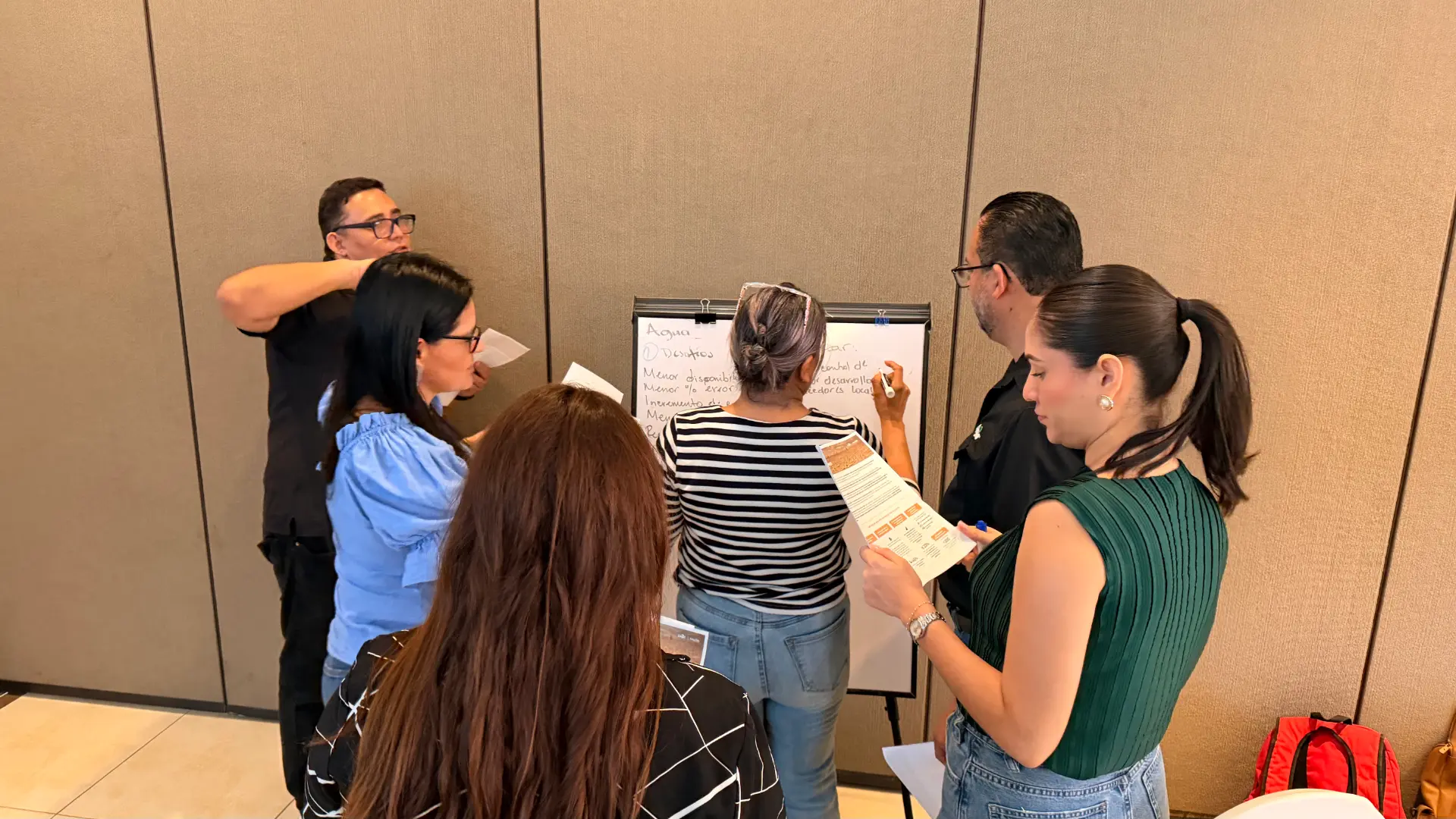
Participantes de un taller colaborando alrededor de un rotafolio

Cómo lo hicimos tangible

1

Conectando el futuro con su realidad

Translated three global macro-forces into six business-relevant tensions, connecting broad external changes to the real decisions and challenges facing operational teams. This grounded futures thinking in the participants’ day-to-day reality and made complex trends easier to explore through a business lens.

2

Poniendo a prueba la estrategia frente a futuros posibles

We crafted 4 future scenarios based on the macro-forces, giving leaders a structured way to stress-test today's priorities against tomorrow's possibilities. By exploring where assumptions aligned or diverged, teams could challenge established ways of thinking, identify vulnerabilities, and uncover opportunities to strengthen their long-term readiness.

3

Convirtiendo los hallazgos compartidos en acción propia

Used a Start/Stop framework to translate scenario-based discussions into concrete opportunities and actions across Workforce, Technology, and the Environment. The approach helped teams move beyond reflection to identify what they could start doing differently, and how they could prepare for emerging challenges.